Mobility Zones
Mobility Zones: connecting cities, communities and sustainable travel
Why the future of urban mobility extends beyond a single Mobility Hub
Across Europe, cities are seeking to improve accessibility, reduce congestion and emissions, and create more liveable public spaces. Travellers increasingly expect mobility services to be connected, convenient and easy to use.
A Mobility Hub has an important role. It combines services such as parking, EV charging, bicycle parking, shared mobility, urban logistics services and digital access at one recognisable location. Yet the opportunity extends beyond a single building.
From Mobility Hub to Mobility Zone
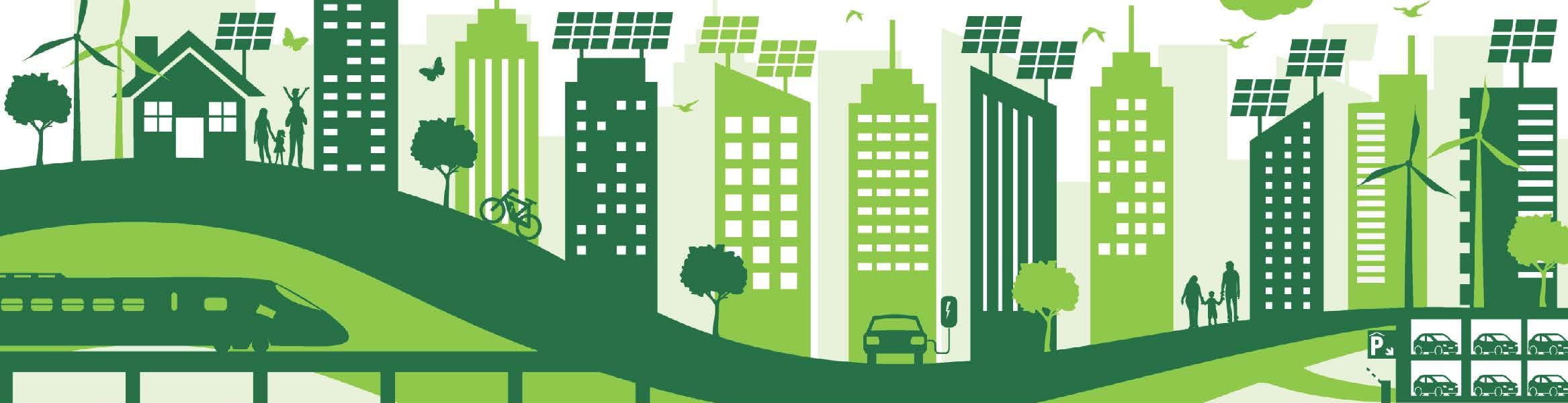
Q-Park increasingly approaches mobility from an area perspective. A Mobility Zone connects a Mobility Hub with nearby transport, services and destinations to create a wider mobility ecosystem.
Within a short walking distance, this network may include public transport, bicycle parking, shared bikes and cars, taxis, micro-mobility, parcel lockers, retail, cultural destinations, homes, offices and education. Together, these elements make multimodal travel easier and more attractive.
Making multimodal travel practical
People rarely experience mobility as a set of separate systems. A commuter may park at a Q-Park Mobility Hub, continue by metro and walk the final stretch. A visitor may arrive by train and use a shared bicycle. A resident may combine cycling and public transport with occasional access to a shared car.
These journeys depend on vital mobility options being available, visible and easy to combine. By connecting existing infrastructure and services, Mobility Zones can give travellers more flexibility and help support multimodal travel.
Supporting accessible and liveable cities
Cities need practical infrastructure to support Sustainable Urban Mobility Plans (SUMPs), Low Emission Zones (LEZs), active travel and public-space improvements.
Mobility Zones help by improving first- and last-mile connections, making public transport easier to reach, supporting shared mobility and using limited urban space more effectively.
The role of Q-Park
As a Sustainable Mobility Partner, Q-Park sees its parking infrastructure and especially its Mobility Hubs as part of the wider urban mobility system. The Mobility Zone concept builds on this foundation.
Working with municipalities, mobility providers, logistics companies and property developers, Q-Park can help connect the elements that already exist, improve their visibility and simplify the customer journey. This creates value for residents, visitors, commuters, partners and cities.
The future of urban mobility is not simply a single Mobility Hub. It is a connected Mobility Zone that brings parking, public transport, active travel and shared services together to keep cities accessible, sustainable and liveable.
"A Mobility Zone is more than a single location. Together, we can create an ecosystem that helps people move through cities and functional urban areas (FUAs) more easily, sustainably and efficiently."
Q-Park – Sustainable mobility solutions & Seamless parking services.